Fish Finder: Clearer Reading with Sonar, More Controlled Hunting
Fishing efficiency is often about being "in the right place at the right time". With sonar technology, fish finders help make the bottom structure and water column under the boat more understandable. So you can scan the target area faster, read the depth and bottom character more clearly, and manage your course and speed more consciously.
What does a fish finder do?
- Bottom reading: Helps to get a clearer picture of depth and bottom structure.
- Water column tracking: Supports reading mobility/density in the water (depends on model and settings).
- Area scanning: Can scan the area more systematically and reduce "trial and error" time.
- Performance by setup: The choice of transducer and quality of installation determines the result as much as the device.
What to look for when choosing a fish finder?
Fish finder selection is not based on a "single feature". The best approach is to clarify the scenario and consider the device-transducer-installation triad together.
1) Scenario of use
- Near shore / shallow water: Fast readable display, intuitive menu and accurate transducer selection stand out.
- Offshore / deeper use: Clearer bottom reading, installation quality and expandability become important.
2) Display and readability
Screen size and resolution make a difference to readability, especially in the sun. The aim here is not "the biggest screen", but to strike a balance that allows you to read and manage the settings practically while boating.
3) Sonar and transducer compatibility
The heart of the fish finder is the sonar source and the transducer. The same device may give different results with different transducer/installation. Therefore, "which transducer is compatible with which transducer" and the mounting possibilities of the boat (mirror, hull, internal gluing, etc.) must be considered when choosing a device.
4) Need for expansion and connection
If you want to expand the system in the future (different additional display, additional sonar source, data sharing over the network, etc.), compatible connectivity solutions and module options become important.
What are subcategories for? (Quick redirect)
Devices
TheDevices section includes fish finder display units and main solutions. Here it is better to make a choice based on the display/readability and compatible transducer plan suitable for your usage scenario.
Accessories & Spare Parts
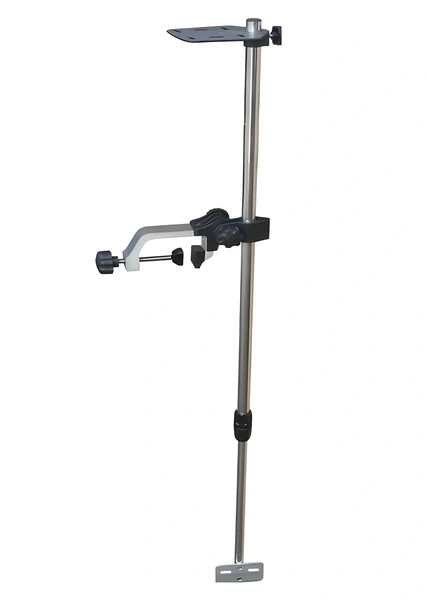
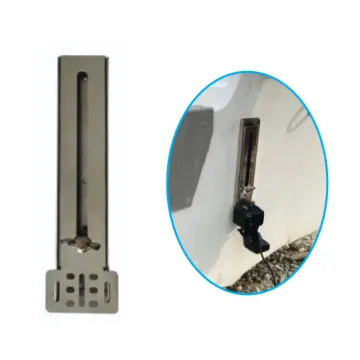
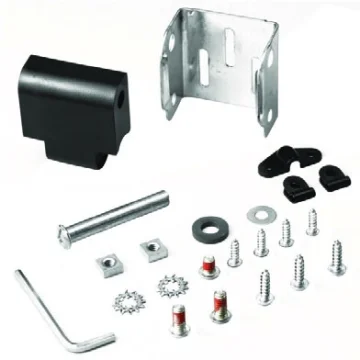
TheAccessories & Spare Parts category is the right place for parts that complete installation, wiring, protection and maintenance needs. A solid installation and regular inspection directly affect the lifetime and stable operation of the device.
Fish Finder Network Connection
Network Connectivity solutions come into play in systems where multiple devices work together. This heading collects connectivity needs that help make the installation "more organized and manageable".
Sonar Modules
In some installations, Sonar Modules may be preferred to extend sonar performance or to make the system more flexible. The need for a module should be evaluated entirely according to the usage scenario and existing device compatibility.
Common mistakes in installation and operation
- Just choose the device and leave the transducer to the background: One of the main factors determining the outcome is the fit and installation.
- Neglecting the cable/connection layout: Regular installation is important for stability and long-term use.
- Choosing a model without clarifying the scenario: Near-shore use is not the same as offshore expectation.
- Not considering the need for expansion: Network/modules may be required in the future; it is advantageous to plan ahead.
Summary
Thefish finder helps to make the fishing plan more controlled by facilitating bottom and water column readings from the sonar. The best results come not only from choosing the right device, but also from setting up the system correctly with compatible accessories,network and sonar module if needed.
 %21
%21